Thursday, 25 April 2013

Friday, 5 April 2013
Thursday, 4 April 2013
Wednesday, 3 April 2013
Evaluation Q5
Q5. How could you attract/address your audience?
I can attract the audience through advertising.
Advertising would allow me to express the meaning behind my clip and demonstrate its useful resource to institutions and education systems in a more basic way. For example, it would be easier to explain what I have attempted to show in my thriller opening instead of letting teachers figure it out for themselves. Although that would be an interesting test/experiment, I fear it may be too hidden for them to realise. Advertising it in this way and explaining it would also encourage schools and colleges to purchase the product, and it would create awareness for those who'd want to purchase it for themselves in the general public. It could even be used as a drama clip in a media exam to be related to youth/age or ethnicity. Another part of advertising would be to show small scenes of tense acting and the put sound/music over the top to intrigue the younger population more. I could also advertise the blog to show the work effort put in as an example in lessons such as media itself, or use the blog to advertise the clip to anyone who follows my posts. The blog builds up towards the final clip. So far I have had over 500 views, so it could be a worth while method of advertising and attracting the audience.
I can keep my audience engaged with:
 Mise en scene
Typical young clothes in fashion of today
Technology, i.e. phone
Sound
Mysterious and frightening music creates interest
Loud gunshot creates excitement.
The inclusion of speech encourages people to listen and know what they are saying
Camera
Low camera angles; the audience questions what's happening. 'Who is it?' etc.
Movement draws people into the action and creates suspense.
Unusual angles interests the audience.
Editing
Titles make it more professional which attracts an audience who enjoy well put together clips.
Fades and dissolves make it spooky and mysterious, grasping the audience's attention.
I can attract the audience through advertising.
Advertising would allow me to express the meaning behind my clip and demonstrate its useful resource to institutions and education systems in a more basic way. For example, it would be easier to explain what I have attempted to show in my thriller opening instead of letting teachers figure it out for themselves. Although that would be an interesting test/experiment, I fear it may be too hidden for them to realise. Advertising it in this way and explaining it would also encourage schools and colleges to purchase the product, and it would create awareness for those who'd want to purchase it for themselves in the general public. It could even be used as a drama clip in a media exam to be related to youth/age or ethnicity. Another part of advertising would be to show small scenes of tense acting and the put sound/music over the top to intrigue the younger population more. I could also advertise the blog to show the work effort put in as an example in lessons such as media itself, or use the blog to advertise the clip to anyone who follows my posts. The blog builds up towards the final clip. So far I have had over 500 views, so it could be a worth while method of advertising and attracting the audience.
I can keep my audience engaged with:
 Mise en scene
Typical young clothes in fashion of today
Technology, i.e. phone
Sound
Mysterious and frightening music creates interest
Loud gunshot creates excitement.
The inclusion of speech encourages people to listen and know what they are saying
Camera
Low camera angles; the audience questions what's happening. 'Who is it?' etc.
Movement draws people into the action and creates suspense.
Unusual angles interests the audience.
Editing
Titles make it more professional which attracts an audience who enjoy well put together clips.
Fades and dissolves make it spooky and mysterious, grasping the audience's attention.
Tuesday, 2 April 2013
Evaluation Q3
Barack Obama and Abraham Lincoln discuss my media product's appropriate distributor for Evaluation Question Three...
Monday, 1 April 2013
Thursday, 28 March 2013
Evaluation Q1
Q1. In what ways does your media product use forms and conventions of professional media products?

 In my thriller project, I used a variety of methods and ideas in the process of filming and editing. I wanted to create intrigue. So for example I used sound to create atmosphere. There are many areas in my thriller opening sequence where I used low toned notes and percussion, e.g. the distant boom sound to build tension. I was inspired to add this in when I took note on the boom noise at the beginning of "The Dark Night", when the titles end and it cuts to the city establishing shot (on the top left). Also the noise as the scene changes to the villain waiting for the car, (picture on the left) inspired me.
In the opening credits, I used font style to get across the message that this is a thriller. I incorporated a similar style of font to Seven to use in my titles. It takes a handwritten style font called 'chiller' on Adobe Premier Pro.
The titles effects for Seven tie in well with the movement of the camera, music and the changing shots.
However, I didn't use as many unusual effects as the ones used in Seven, (http://www.youtube.com/watch?v=-k2gsEI34CE) because my thriller wasn't as fast paced throughout and because there isn't as much movement in the camera and close up shots. The suspense in my thriller opening was slow moving up until near the end where we hear the worrying sound of the caller 'Hello, Mr Andrews?' and the crackling white noise that follows before a bang to finish. This creates more intrigue (the clip below)...
I think the titles for my thriller tie in better with the long white noise that goes on through the clip, because they are subtle and not as lively; they have a spooky feel instead, whereas Seven has a mechanical feel of movement and intimidation for the audience...
My thriller has aspects of conveying intimidation which I included from watching thriller scenes, such as the Bourne Identity fight scene, which I posted on my blog. This is one aspect most thrillers have in common, the ability to intimidate, sometimes the audience or sometimes a character in the scene. My thriller showed this aspect when the "villain" (Ian) banged on the window as if appearing to frighten the driver. This isn't necessarily intimidating to the audience, but creates a sense of concern and people are inclined to question what happened to the "driver".
Another convention I tried using in my thriller was the camera angles which were low down or had a limited view of a particular character, e.g. the villain walking up to the car. I managed to get a clear shot of his legs as he walked and I think was enough to make the audience wonder who it was. This type of camera angle is used commonly in thrillers, e.g. The Usual Suspects in the beginning scene.


See here the low camera angle not showing the villain's face

 In my thriller project, I used a variety of methods and ideas in the process of filming and editing. I wanted to create intrigue. So for example I used sound to create atmosphere. There are many areas in my thriller opening sequence where I used low toned notes and percussion, e.g. the distant boom sound to build tension. I was inspired to add this in when I took note on the boom noise at the beginning of "The Dark Night", when the titles end and it cuts to the city establishing shot (on the top left). Also the noise as the scene changes to the villain waiting for the car, (picture on the left) inspired me.
In the opening credits, I used font style to get across the message that this is a thriller. I incorporated a similar style of font to Seven to use in my titles. It takes a handwritten style font called 'chiller' on Adobe Premier Pro.
The titles effects for Seven tie in well with the movement of the camera, music and the changing shots.
However, I didn't use as many unusual effects as the ones used in Seven, (http://www.youtube.com/watch?v=-k2gsEI34CE) because my thriller wasn't as fast paced throughout and because there isn't as much movement in the camera and close up shots. The suspense in my thriller opening was slow moving up until near the end where we hear the worrying sound of the caller 'Hello, Mr Andrews?' and the crackling white noise that follows before a bang to finish. This creates more intrigue (the clip below)...
I think the titles for my thriller tie in better with the long white noise that goes on through the clip, because they are subtle and not as lively; they have a spooky feel instead, whereas Seven has a mechanical feel of movement and intimidation for the audience...
My thriller has aspects of conveying intimidation which I included from watching thriller scenes, such as the Bourne Identity fight scene, which I posted on my blog. This is one aspect most thrillers have in common, the ability to intimidate, sometimes the audience or sometimes a character in the scene. My thriller showed this aspect when the "villain" (Ian) banged on the window as if appearing to frighten the driver. This isn't necessarily intimidating to the audience, but creates a sense of concern and people are inclined to question what happened to the "driver".
Another convention I tried using in my thriller was the camera angles which were low down or had a limited view of a particular character, e.g. the villain walking up to the car. I managed to get a clear shot of his legs as he walked and I think was enough to make the audience wonder who it was. This type of camera angle is used commonly in thrillers, e.g. The Usual Suspects in the beginning scene.


See here the low camera angle not showing the villain's face
Tuesday, 26 March 2013
Feedback On Editing and Filming
When I had posted myt first draft of the thriller project up to my blog, my teacher gave me feedback on what I could improve to make the clip better.
First off, she pointed out that I needed to export my clip as HD, which wasn't too difficult, just simply change the format in Adobe encoder for the exportation of the clip once finished.
The next thing I could improve on was the sound: There were a couple of areas where the wind was too loud and distracting, at the begining in the establishing shot and when the driver is peeing in the bushes. I lowered the volume in thece scenes where the wind noise was. My teacher also pointed out that I could do with some music or white sound to hold it all together more and buld more tenshion over a longer time. I imported a file from Freesound with the appropriate tone and cut it up into particular scenes in the clip rather than as one sound all the way through, because some areas of acting wouldn't tie in with the music/whitesound.
My teacher said that there was a long gap where there was no speach which could help me cut the clip down even further (2.40) if I placed the following speech over the shot. I also cut the shot of the driver peeing down to a reasonable length, but I kept the scene because I decided it conveyed vulnerability and suspense, but too long and the shot would be almost typical of a comedy, not a thriller.
I also added more repetition in the phone call when my friend David says 'Hello, Mr. Andrews?' so that shows more panic and worry, and covers the black space in the clip where I intended for it to create intrigue and unsurity as to what is happening, so that it grasps to viewer.
Finally I was advised to change the titles to a more 'thriller like' font and make them smaller and put them to one side so that they were more subtle. I added more effects and transitions as well to give it a creepy effect.
First off, she pointed out that I needed to export my clip as HD, which wasn't too difficult, just simply change the format in Adobe encoder for the exportation of the clip once finished.
The next thing I could improve on was the sound: There were a couple of areas where the wind was too loud and distracting, at the begining in the establishing shot and when the driver is peeing in the bushes. I lowered the volume in thece scenes where the wind noise was. My teacher also pointed out that I could do with some music or white sound to hold it all together more and buld more tenshion over a longer time. I imported a file from Freesound with the appropriate tone and cut it up into particular scenes in the clip rather than as one sound all the way through, because some areas of acting wouldn't tie in with the music/whitesound.
My teacher said that there was a long gap where there was no speach which could help me cut the clip down even further (2.40) if I placed the following speech over the shot. I also cut the shot of the driver peeing down to a reasonable length, but I kept the scene because I decided it conveyed vulnerability and suspense, but too long and the shot would be almost typical of a comedy, not a thriller.
I also added more repetition in the phone call when my friend David says 'Hello, Mr. Andrews?' so that shows more panic and worry, and covers the black space in the clip where I intended for it to create intrigue and unsurity as to what is happening, so that it grasps to viewer.
Finally I was advised to change the titles to a more 'thriller like' font and make them smaller and put them to one side so that they were more subtle. I added more effects and transitions as well to give it a creepy effect.
Friday, 22 March 2013
Wednesday, 13 March 2013
Screenshots of the Editing Process
 |
Putting the clips in order one after the other, adding
|
 |
Run-through of the clip to watch for imperfections,
|
 |
Adding sound effects, e.g. low occasional beat, phone
|
 |
Going back over audio and refining it with Adobe
|
 |
Choice site for sound effects which I downloaded. |
 |
The whole sequence run through for the first draft. |
Friday, 8 March 2013
Tuesday, 5 March 2013
Editing
In my clip, the first part of editing was fairly easy and I enjoyed it, because it was fascinating to be able to put things in order and be creative in making it.
All the effects I added:
Cross-dissolve
Dissolve (dip to white)
Audio fade
I used the dissolves and fades to demonstrate time passing by, even just a short period of time and also to move from one scene to the next, e.g. the car to the office.
The audio fades I used, e.g. in the cut from the second establishing shot of the car to Jo in the car, were to reduce the sudden change of volume between cuts and to not be such a distraction in sound bridges.
The general editing skills I included were:
Sound bridge
Ellipsis of Time
Continuity Editing
Shot/Reverse Shot
Dissolve
Fade-in
Superimposition
Short Take
However what was difficult was the fact I too much film so I had to shorten more than half the clips.
The clip was originally 4 minutes, but I managed to shorten it to about 2.44 minutes.
It turned out to be more time that I could have used for creating titles, but instead I sat down in lesson and finished it as quickly as I could.
All the effects I added:
Cross-dissolve
Dissolve (dip to white)
Audio fade
I used the dissolves and fades to demonstrate time passing by, even just a short period of time and also to move from one scene to the next, e.g. the car to the office.
The audio fades I used, e.g. in the cut from the second establishing shot of the car to Jo in the car, were to reduce the sudden change of volume between cuts and to not be such a distraction in sound bridges.
The general editing skills I included were:
Sound bridge
Ellipsis of Time
Continuity Editing
Shot/Reverse Shot
Dissolve
Fade-in
Superimposition
Short Take
However what was difficult was the fact I too much film so I had to shorten more than half the clips.
The clip was originally 4 minutes, but I managed to shorten it to about 2.44 minutes.
It turned out to be more time that I could have used for creating titles, but instead I sat down in lesson and finished it as quickly as I could.
Saturday, 2 March 2013
Thursday, 28 February 2013
Sounds

Wednesday, 27 February 2013
Filming
The first day of filming, which was on Friday 22nd of Feb at the church office was with my friend David Butler whom arrangements were difficult, because we had such short time to film. This was including him going home to dress in formal clothes and come back and meet me. So in order to keep time, I asked him to stay in what he was wearing which was casual, so it wasn't too unusual for the part he was playing; just a more casual office.
The location was easy to access as we were shown to a suitable room, quiet, well lit and with all the props that were needed.
David's acting was good which benefitted us both time-wise, because it meant less excess film.
No-one disturbed us either so on the whole, it was very easy, and it seemed it especially after the stress of finding people to act...phew!
The second day of filming was at No Man's Lane in Stanton By Dale wioth my friends Ian Maweu and Jo Ingram.
Filming was difficult, partly because I had to direct two people, one of which (Ian) was outside the car whilst I was filming Jo inside, so I had to signal a 'thums up' to Ian in order to walk up along side the car, whilst holding the camera in one hand. (because there was no room for the tripod in the footweld and also hand held was a good effect.) However had it not been that my friends were good at acting, I wouldv't had lots more shots to make.
Apart from this, the easiest part was film the establishing shot of the car and the conversation with David. Jo's acting was good because it matched the same tone of David in the call centre which kept the plot running smoothly.
Neither was there any rain to bother us, just a full clouded sky which was appropriate for the theme of a murder.
I am thankfull for my friends, Jo Ingram, Ian Maweu and David Butler for making the effort they did, or else I would have had many more shots to take. Any shots that weren't good were actually very funny so moral was high, which is why it succeeded, so thank you to my actors.
The location was easy to access as we were shown to a suitable room, quiet, well lit and with all the props that were needed.
David's acting was good which benefitted us both time-wise, because it meant less excess film.
No-one disturbed us either so on the whole, it was very easy, and it seemed it especially after the stress of finding people to act...phew!
The second day of filming was at No Man's Lane in Stanton By Dale wioth my friends Ian Maweu and Jo Ingram.
Filming was difficult, partly because I had to direct two people, one of which (Ian) was outside the car whilst I was filming Jo inside, so I had to signal a 'thums up' to Ian in order to walk up along side the car, whilst holding the camera in one hand. (because there was no room for the tripod in the footweld and also hand held was a good effect.) However had it not been that my friends were good at acting, I wouldv't had lots more shots to make.
Apart from this, the easiest part was film the establishing shot of the car and the conversation with David. Jo's acting was good because it matched the same tone of David in the call centre which kept the plot running smoothly.
Neither was there any rain to bother us, just a full clouded sky which was appropriate for the theme of a murder.
I am thankfull for my friends, Jo Ingram, Ian Maweu and David Butler for making the effort they did, or else I would have had many more shots to take. Any shots that weren't good were actually very funny so moral was high, which is why it succeeded, so thank you to my actors.
Thursday, 21 February 2013
Thriller Script
Opening shot of car, lane, trees etc.
Close-up of car and driver inside.
Cut to driver making a phone call (Jo)
Jo: looks around nervously hesitating with mobile to ear.
Cut to call centre office, close-up on David and headset, computer etc.
David: 'Hello, City Breakdown Services, how can I help?'
Cut to Jo in the car looking around.
Jo: Speaks fast 'Hi, hi, yeah, my car's broken down. I'm stuck, I think it's a flat battery.'
David: 'Can I have your registration number sir?'
Jo: Gives registration (says)
David: 'Thankyou, I'm just looking up your details-so you say you're stuck; not moving?'
Jo: 'Yeah, I stopped for a rest, but I'm not sure, the lights were off when I woke up, so I can't have been them
that caused it.'
that caused it.'
David: 'Okay, sir, I can see your details. Can you tell me your whereabouts?'
Jo: 'Somewhere on the edge of Carnford Wood I think, No, Man's Lane, a layby off B6042' (looking around
nervously,tapping dashboard)
nervously,tapping dashboard)
Jo: Sighs impatiently.
David: 'Okay sir, try to calm down, someone will be with you in the next couple of hours'.
Jo: Looking around, agitated and nervous.
David: 'Are you okay sir?'
Jo: 'Yeah, yeah, thanks.'
David: 'We'll call you again when our guys are 10 minutes away.'
Shots of the lane, trees, car etc. Panoramic.
Jo: Steps outside, looks around, goes for a pee up a tree. Gets back in car, closes the door. Sighs relief. Glances
at the side mirror, sees a strange (familiar person Ian). Looks horrified.
at the side mirror, sees a strange (familiar person Ian). Looks horrified.
Phone begins to ring again on mobile
Jo: struggles to get hold of the ringing phone, drops it, looks back at figure.
Jo: Hands shaking trying to press phone buttons.
On inside window, figure stares in at drivers side. Face of strange person obscured, steamed by breath.
Jo: Presses phone button to answer.
Don't see David, just hear his voice; 'hello, Mr. Andrews?'
Close up shot of phone Close up on Jo's face. Really scared. Breathing heavily.
Camera shot of trees. Gunshot 'Bang!' in distance. Close-up of hand
New Actors
So I have had responses from people who are available from my email.
I'm so 'thrilled' these are my actors:
David Butler
 Acting: ***
Appearance: ****
Reliability: ***
Experience: ****
Age: 18
Role: Office Emergency break down Caller
Ian Maweu
Acting: ****
Appearance: ***
Reliability: ****
Experience: ***
Age: 18
Role: Murderer
 Jo Ingram
Acting: ****
Appearance: ****
Reliability: *****
Experiance: ***
Age: 19
Role: Driver
I'm so 'thrilled' these are my actors:
David Butler
 Acting: ***
Appearance: ****
Reliability: ***
Experience: ****
Age: 18
Role: Office Emergency break down Caller
Ian Maweu

Acting: ****
Appearance: ***
Reliability: ****
Experience: ***
Age: 18
Role: Murderer

Acting: ****
Appearance: ****
Reliability: *****
Experiance: ***
Age: 19
Role: Driver
Wednesday, 20 February 2013
Friday, 15 February 2013
A Change of Plan
Sooooo...I've had a change of plan due to people (actors who can't make it)
Sounds silly, but my reliability ratings have been not much use. I have decided on other people. Once they've been confirmed. I will put them up.
I sent an email round to friends who I want to be in my thriller.
I also changed the location from Wollaton Park to Stanton by Dale which is more remote and less busy over half term.
Sounds silly, but my reliability ratings have been not much use. I have decided on other people. Once they've been confirmed. I will put them up.
I sent an email round to friends who I want to be in my thriller.
I also changed the location from Wollaton Park to Stanton by Dale which is more remote and less busy over half term.
''So you three are people I have now asked to act on thursday or friday 21st and 22nd Feb next week. I'd love it if you could. Perhaps if you're at church working in the afternoon for Destiny etc you could do it before for a few hours in Stanton by Dale. Possibly I could get the bus to Christian Centre and if Jordan Burrows is willing to drive take us to Stanton by Dale and get set up.
Probably one of you doesn't have to come to wollaton, because I could do filming at church possibly.
Let me know if U can DO this! :) ASAP''
Thursday, 14 February 2013
Character/Actor Tips
I did some research into the importance of actors character types which are vital for a thriller. I have looked through as a way of noting down important factors involving where, when, who, what and why. The following notes are what I found on the internet:
After reading the script and working through the script structure and scene analysis, it’s time to figure out the development and objectives of the characters.
 1. Character Functions
Each character has at least one function (or role) in any story, such as:
a) protagonist
b) antagonist
c) best friend
d) love interest
e) confidante
f) partner
g) catalyst
h) mentor
i) comic relief
b) antagonist
c) best friend
d) love interest
e) confidante
f) partner
g) catalyst
h) mentor
i) comic relief
There are many more, but this is a basic list for you to start with.
2. Character Emotions
Here are the three main character emotions:
a) Sympathy – the audience IDENTIFIES with the character’s problems and triumphs
b) Empathy – the audience UNDERSTANDS the emotions that drive the character
c) Antipathy – the audience wants the character to “GET WHAT THEY DESERVE”
b) Empathy – the audience UNDERSTANDS the emotions that drive the character
c) Antipathy – the audience wants the character to “GET WHAT THEY DESERVE”
3. Character Components
These are the Internal and External factors that shape each character:
a) Interior – form character
b) Exterior – reveal character
b) Exterior – reveal character
4. Character Background
a) where is the character from (background)
b) what was he doing just before this scene
c) what does the writer say about this character
d) what do others say about this character
e) what does the character say about himself
b) what was he doing just before this scene
c) what does the writer say about this character
d) what do others say about this character
e) what does the character say about himself
5. Character Objectives (Most Important!)
These are the main needs and wants of a character (what people want out of life)
a) SUPER OBJECTIVE (example: “Power over People”)
- what is the primal motivation of the character
- what are the main needs of the character
- what is the primal motivation of the character
- what are the main needs of the character
b) OBJECTIVES (example: “Wants to Dominate Character A”)
- what does the character want (motives)
- what are the active choices to achieve the Super Objective
- what does the character want (motives)
- what are the active choices to achieve the Super Objective
c) MAIN ACTIONS (example: “What they DO to Character A”)
- what the character DOES…
- to get what he WANTS…
- to fulfill his NEEDS
- what the character DOES…
- to get what he WANTS…
- to fulfill his NEEDS
NOTES ON OBJECTIVES:
a) there can only be one objective per character – per scene
b) the simpler the objective, the easier it is for an actor to play it
c) objectives rise out of the character’s needs and feelings
d) objectives help actors react to each other – rather than just “say the lines”
e) an objective should be an active choice for an actor
f) an actor should always play their objective in every scene
b) the simpler the objective, the easier it is for an actor to play it
c) objectives rise out of the character’s needs and feelings
d) objectives help actors react to each other – rather than just “say the lines”
e) an objective should be an active choice for an actor
f) an actor should always play their objective in every scene
When coming up with character objectives, ask yourself: what does each Character want in this story – in this scene?
Wednesday, 13 February 2013
Filming Schedule (Half Term)
Thursday Morning:
Location: Office block (Christian Centre Church)
Props: Telephone, desk, chair
Costume: Suit and tie
Actors: Aaron Rilley
Camera Equipment: Tripod (For all Locations)
Thursday Afternoon:
Location: Car Park (Wollaton Park)
Props: Car, mobile phone
Costume: Casual clothing, baggy clothing
Actors: Solomon Rummy-Scriven, Jordan Burrows
Friday Morning:
Location: Home (Home)
Props: Telephone
Costume: Casual clothing
Actors: Amelia Stapleton
Location: Office block (Christian Centre Church)
Props: Telephone, desk, chair
Costume: Suit and tie
Actors: Aaron Rilley
Camera Equipment: Tripod (For all Locations)
Thursday Afternoon:
Location: Car Park (Wollaton Park)
Props: Car, mobile phone
Costume: Casual clothing, baggy clothing
Actors: Solomon Rummy-Scriven, Jordan Burrows
Friday Morning:
Location: Home (Home)
Props: Telephone
Costume: Casual clothing
Actors: Amelia Stapleton
Risk Assessment
In order to do my thriller, I need to assess:
Location
The locations I hae chosen are; country lane, offce block, home.
The countryside should be easy because it is quieter (few cars) which means I hae more freedom for where I want to place my characters and my camera. The main difficulty might be weather (rain and wind) which would cause the camera to be unstable or even get damaged.
An office block would be difficult, because I would need somewhere extremely quiet unless I was to record sound elsewhere. Could I find a room that looks anything like a call centre? Maybe just a chair and a desk?
A scene at home. Sounds easy, but is it? I would need a tidy room, which I don't have at home. Maybe I could ask a friend?
Props
The props I would need; car, phone.
Whose car could I use? My parents? Can my chosen actors drive their car?
A phone is easy to get (no problemo!)
Costume
I want a formal costume for my call reciever at the the break down serice. Bit expensive? Or is there one that I can get hold of?
Scruffy clothes are pretty easy to find. The actors hae clothes like that.
Actors e.g. reliability
Chosen actors:
Aaron Rilley, been in front of the camera many times, can keep a straight face. Looks mature and would therefore play the call centre role well.
Solomon Rummy-Srciven, filmed before, been in front of the camera before, mature, would play the murderer well.
Jordan Burrows, friendly, been in front of camera before, can keep a straight face, looks young enough to play the young driver.
Location
The locations I hae chosen are; country lane, offce block, home.
The countryside should be easy because it is quieter (few cars) which means I hae more freedom for where I want to place my characters and my camera. The main difficulty might be weather (rain and wind) which would cause the camera to be unstable or even get damaged.
An office block would be difficult, because I would need somewhere extremely quiet unless I was to record sound elsewhere. Could I find a room that looks anything like a call centre? Maybe just a chair and a desk?
A scene at home. Sounds easy, but is it? I would need a tidy room, which I don't have at home. Maybe I could ask a friend?
Props
The props I would need; car, phone.
Whose car could I use? My parents? Can my chosen actors drive their car?
A phone is easy to get (no problemo!)
Costume
I want a formal costume for my call reciever at the the break down serice. Bit expensive? Or is there one that I can get hold of?
Scruffy clothes are pretty easy to find. The actors hae clothes like that.
Actors e.g. reliability
Chosen actors:
Aaron Rilley, been in front of the camera many times, can keep a straight face. Looks mature and would therefore play the call centre role well.
Solomon Rummy-Srciven, filmed before, been in front of the camera before, mature, would play the murderer well.
Jordan Burrows, friendly, been in front of camera before, can keep a straight face, looks young enough to play the young driver.
Actors
Aaron Reilley

Appearance: *****
Reliability: ***
Experience: ***
Age: 19
Role: Office Emergency break down Caller
Solomon Rummy-Scriven
 Acting: ***
Appearance: ****
Reliability: ***
Experience: ****
Age: 18
Role: Murderer
Jordan Burrows
 Acting: ***
Appearance: ****
Reliability: ***
Experience: ***
Age: 21
Role: Driver
Amelia Stapleton
Acting: **
Appearance: ****
Reliability: ***
Experience: ***
Age: 18
Role: Driver's Wife
These are my chosen actors. I have picked these friends, because they all have unique aspects when it comes to filming, e.g. Jordan is more 'laid back' in his personality so he appears much friendlier and therefore would be good as an innocent character. Aaron is calm but also stern and confident, and it's that assertiveness that would be ideal for his role as an office worker. Solomon is more energetic so his physicality could benefit the part he plays as the 'baddie'. Amelia (who also worked with the camera for our prelim task) would play her part well, because she not shy of throwing herself into the emotion of the acting.
Tuesday, 12 February 2013
Props
The only props that I used in filming were the telephone and the mobile phone, both important props for the entire conversation and relation between the driver and the call receiver for the breakdown services.
The prop used for the call centre of breakdown services:
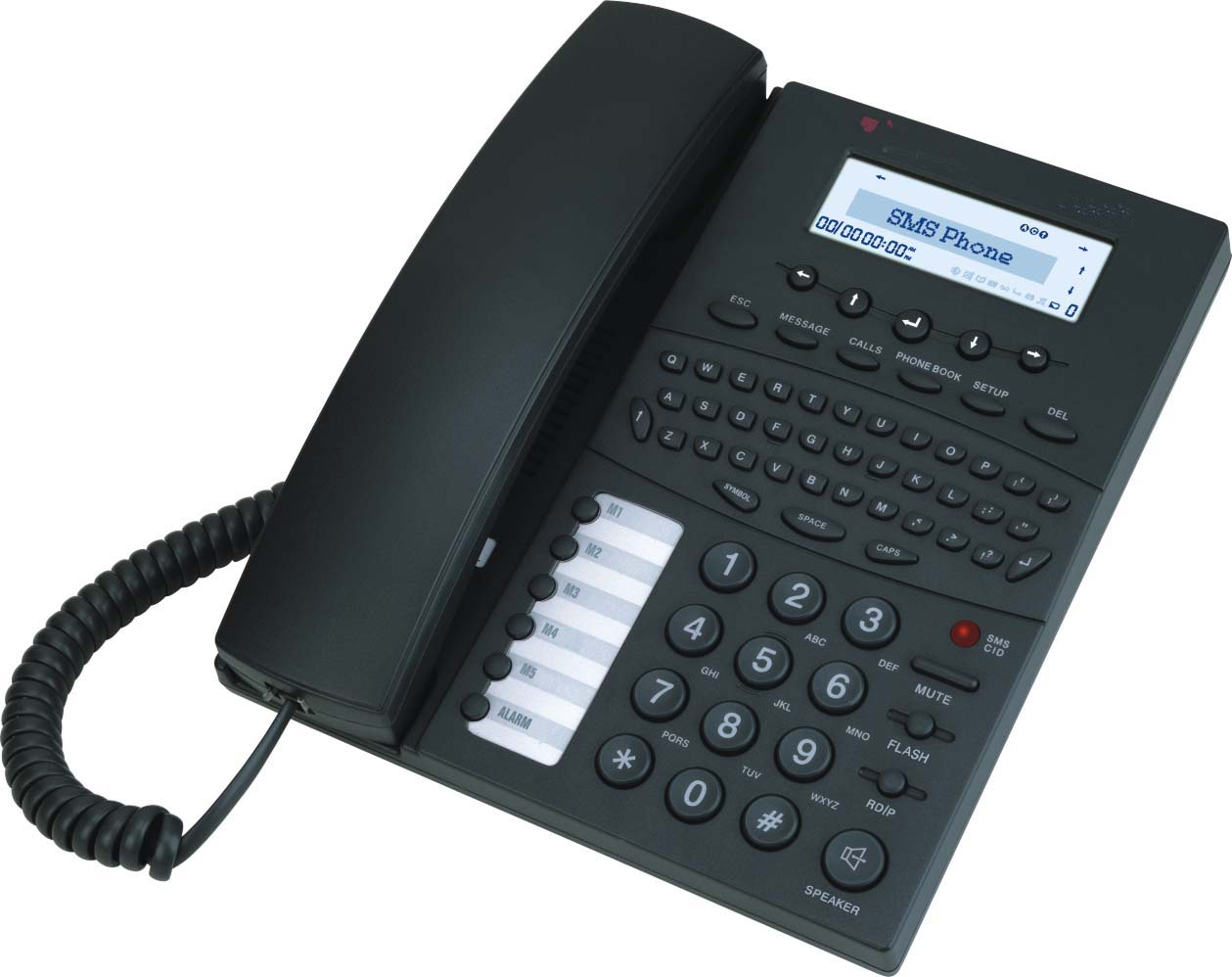
A typical telephone of the 20th century was what I was aiming for, rather than a headset, because I wanted something that my actor could pick up that was really substantial so that it was made clear that it was him answering the phone call and something more familiar. Not having a headset also meant that the actor's (David) emotions could been seen more easily in close-ups.
I used the mobile phone for the driver, because of it's typical practicality in the fact that most drivers would have a phone that was portable and easy to bring in a car.


The prop used for the call centre of breakdown services:
A typical telephone of the 20th century was what I was aiming for, rather than a headset, because I wanted something that my actor could pick up that was really substantial so that it was made clear that it was him answering the phone call and something more familiar. Not having a headset also meant that the actor's (David) emotions could been seen more easily in close-ups.
I used the mobile phone for the driver, because of it's typical practicality in the fact that most drivers would have a phone that was portable and easy to bring in a car.

Costumes and Location


Costumes
Villain:
Baggy geans/trowsers
Black woolen hat
Leather jacket/grey cotten jumper.
Victim:
Brighter clothes
Light cotten jumper/fashionable
Hair showing.
The costumes represent the type of person, e.g. light clothing appears inosent/vulnerable.
Dark heay clothes appear tough/strong/aggressive.
Location
Office block-Christian Centre
Church Offices/rooms, in
Nottingham centre.

Countryside around Stanton by Dale, Derbyshire. (Now an initial idea; I have decided to go to Wollaton Park, Nottingham, because it is easier for friends/actors.)
Home (home.)
Thriller Storyboard

An establishing shot of a break down call centre then in the office taking a call 'how can I help, sir?'
Cut to the scene with a car that's broken down. 'I've broken down in such and such car and such and such location...blar blar blar...' Shot of the young man in the car (over the shoulder shot) on the phone. Next shot looking beyond the driver through the window-mysterious character creeps up (face hidden.)
Main focus is now on the mysterious man who bangs on the window (close-up.)
Shot/Reverse shot; driver looks horrified.
Camera looks away to an establishing shot of the location: characters out of shot- hear a gun noise (suspense.)
Close-up on dead body, hanging out of the car door. Shadow of mysterious person moves over. Hand picks up the victim's phone.
Villain drives away in the car.
Establishing shot of a house (home of the victim)
Cuts to a woman (wife of the victim) on the phone walking worried round the house 'where are you Robert?' says to herself. (Robert being the victim husband.)
Murderer driving in shot: phone of the wife rings. Villain picks up the phone in close-up (face still hidden.)
'Hello?'
Clip fades...
Thriller Planning and Things to Think About

Brainstorm

I included:
Mise en Scene; lcation, props, costumes.
Theme; car crash, detective, murder.
Music; mysterious, sad, intense, suspense.
I underlined the ideas I thought were good. Music-I wasn't sure.
Things I thought about:
'Am I able to fake a real car crash? How would I do that? Sounds too hard.'
'Murder? Seems easy. Some scenes can be hidden so that it appears real.'
'Should I use a knife or gun? A gun might be easier if it is only heard and not seen.
'In order to use a car, I would need someone who can drive.'
'Fields as a location and country lane. There are rural areas not far.'
Thriller Questionnaire
Thriller
Questionare
What
location would you like to see for in a thriller?
-Urban road
-Forest
-Avenue
-Park
-County lane
What
kind of villain would you want?
-Male-Female
-Doesn’t matter
What
kind of person would be a good victim?
-Adult male-Adult female
-Young male
-Young female
What theme would you like as a thriller?
-Crime-Action
-Detective
-Science Fiction
What
type of music?
-Mysterious-Sad-Heroic
-Contemporary/Mainstream
I came up with a questionnaire for my thriller to find out what would be the best theme/characters and location for it. I emailed 20 people and recieved 18 responses. The words in green are the options that most people picked for each question.
Thursday, 7 February 2013

King Kong Opening Titles (Peter Jackson 2005)
The music is predominantly string and remains in only a few deep notes; minor chords, which emphasises wonder and amazement in secrecy. The music suddenly builds with the rattling of symbols and drums as the title for 'KING KONG' appears and four loud note scale down at the end with the string orchestra. This makes the title look bold and striking by giving it a sense of menace and danger.
Fades are used in between each title so that the picture changes are not as sudden. This is done to convey wonder and to leave the surprise for the main title of King Kong.
The colour black is used for the back of the title in order make the title appear bold and antagonistic.
It creates a deep contrast.
Titles:
Universal Pictures (Distributor) sans serif
Wingnut Films (Producer) sans serif
Wednesday, 6 February 2013
The Dark Knight (Christopher Nolan 2008)
The first shot establishes the location: Gotham City (Urban buildings.) The camera also zoom-pans towards a particular building where a window is smashed. The next shot shows the cause of the broken window- a man with a harpoon.
The camera stays on one side of the 180 degree line. The line is marked by the zip chord which the bad guys use to get across to the roof of the opposite building. The rule is kept in the first scene so that it gives the audience a chance to adjust to the movie. If the rule was not obeyed in this instance the scene would be too confusing and people would not be able to relax enough in order to watch. The opening sequence is therefore very important for grabbing the audiences attention, by giving an impression of what to expect throughout the film.
The next shot is a low mid-shot which zooms in on the back of the character by the road waiting to be picked up. The main part of the image which the audience is drawn to is the clown mask so that they can identify on what side (baddies or goodies) the person is without revealing their face.
It creates a sense of curiosity and suspicion.
Sound:
The sound begins with a deep boom and then a ticking noise and one long string like note as the first shot appears after the titles. This gives a good introduction to the film by creating tenshion which increases expectations of the audience for an exciting movie.
As soon as the window is smashed, the music builds and the ticking noise gets louder. A second low boom occurs when the shot changes again and the music dies down to the same simple long note as before for more suspense. The car pulls over and the music goes into an electric guitar/violin like sound.
The sounds is most used to increase tension and excitement during the clip. Every so often the music increases or decreases in volume when either a scene changes or a door is opened, e.g. one of the bad guys opens the door to the room with the safe and the music quietens immediately.
Editing:
Computer graphics are used for the titles at the beginning. The colour blue is used in the logos and the flames to show aggression.
Cuts are fast at points of action to create tension.
The overall editing is seldom, so that is doesn't distract the audience from the narrative and the action.
Mise En Scene:
The location is urban as shown in the establishing shot.
Props, e.g. the clown face masks, are used to resemble the main villain 'The Joker' (Heath Ledger) so that the audience knows who's side they're on. The idea of wearing a mask indicates that they are guilty, i.e. bad guys.
Guns are used in scenes of action. Other weapons such as the grenade that was given to one of the civilians. The concept of a life threatening event means that the audience is excited by what would happen next.
Titles shown in the Opening Sequence:
Warner Bros. Pictures
Legendary Pictures
DC Comics
People Involved:
Director:
Christopher Nolan
Producer:
Christopher Nolan
Emma Thomas
Charles Roven
Written by:
Christopher Nolan

Actors:
Christian Bale
Michael Caine
Heath Ledger
Gary Oldman
Aaron Eckhart
Maggie Gyllenhaal
Morgan Freeman
Music by:
Hans Zimmer
James Newton Howard
Photography by:
Wally Pfister
Editing by:
Lee Smith
Produced by:
Legendary Pictures
Syncopy Films
DC Comics
Distributed by:
Warner Bros. Pictures


Tuesday, 5 February 2013
Sherlock Holmes: A Game of Shadows (Guy Ritchie 2011)
Throughout the sequence clip, close-up shots are used, mainly on props, e.g. the typewriter and the parcel.
The camera's angle is kept low so that the characters aren't revealed until later on which portrays mystery and emphasizes clues to the plot. The main focus of the camera is on the parcel so that the audience is drawn to it in question 'what is inside the parcel?' The camera angle is also used to hide whoever gave the parcel to the woman who later interacts with Sherlock Holmes (Robert Downey Jr.)
The establishing shot of the cathedral is used to indicate the location and era.
Sound:
The music is the first sound to be heard, starting with a subtle violin which fades into a repetitive guitar plucking/strumming then a cello and a piano melody which comes in when the titles are removed to the scene with the magnifying glass. The music brings suspense at the beginning which captures the audiences attention.
The sound of the typewrite is used also to give the audience an idea of what year it is which is confirmed by the dialogue as '1891'.
This next part of sound is non-diegetic dialogue as the Sherlock's assistant (Jude Law) is at the typewriter telling us what he is writing about, but because his lips don't move, it implies that he is thinking.
The narrative dialogue gives a good introduction to the film which keeps the audience patiently waiting for the first bit of action. The dialogue ends as the establishing shot of the cathedral leads into an bomb explosion, immediately grasping the audience's full attention through the excitement and thrill of the action. The sound of the bomb explosion is clearly made louder than normal so that it is most exciting.
Ambient sounds in the market and off the newspaper seller are again used to refer to the location, the time and bombing event: when, where and what.
The music becomes a full string orchestral piece as the tension and excitement increases.
Editing:
So far the editing is subtle.
The titles at the beginning are part of an animation of a book.
The takes are long in the first half of the clip lasting approximately 8-20 seconds each. The cuts then become faster when the first shot of Sherlock Holmes is shown, lasting barely 8 seconds until the camera shot where the two main characters meet. The cuts are spaced out more onwards.
The cuts are fastest at the points most thrilling and action packed so that no excitement is lost, however to my surprise I found that the bomb explosion was on a long take, which worked well because it allowed time for the audience to think about the bomb explosion and it's significance. Had the shot been very short, the event would not have been easily remembered.
Mise En Scene:
The props on the desk are used to represent when, where and what; the typewriter and the magnifying glass.
Clothing is traditional fashion of the 1890's.
The location is is shown in the establishing shots of the market and the cathedral, typical buildings of the age.
Here are the researched people involved in the production and distribution of the film:
Directed by:
Guy Ritchie
Produced by:
Joel Silver
Lionel Wigram
 Susan Downey
Dan Lin
Written by:
Kieran Mulroney
Michele Mulroney
Actors:
Robert Downey Jr.
Jude Law
Noomi Rapace
Jared Harris
Stephen Fry
Kelly Reilly
Rachel McAdams
Music by:
Hans Zimmer
Cinematography:
Philippe Rousselot
Editing by:
James Herbert
Distributed by:
Warner Bros. Pictures (Time Warner
Produced by:
Village Roadshow Pictures
Silver Pictures
The titles that appear are only The production and distributing companies' logos.
Warner Bros. Pictures is in serif font
Village Roadshow Pictures is in sans serif font.


SE7EN (David Fincher 1995)
Camera:
The shots in the opening scene are extreme close ups, so the audience cannot see who is the person. By focussing only on the hands, it intrigues the audience to want to know who it is at work. By only showing small parts of a location such as this (Only showing one particular prop) it indicates that what the audience is looking at is important during the rest of the film. For example, we only are seeing the construction of a book, hand sown and with photos cut and stuck in. This tells us that the prop will be referred to regularly throughout the film, even if only in dialogue.
Sound:
In the clip, the main sound that is heard is a music track with percussion; scratchy sounds which are tied in with a repetitive drum beat. There are also electronic sounds and synthesizer noises. The music builds on the beat until just over half way through, it becomes louder as more sounds begin to be played. All these sounds are used to represent the picture, e.g. we see hands piecing together a book or diary and the sounds are mechanical, which grasps the audience's attention and makes them think we are in the 'hands' of an unfriendly, almost disturbing character.
Editing:
A great deal of editing is used in this opening scene: Many of the shots have been divided and superimposed at different angles to separate them and give this edgy effect. The titles of course are superimposed. The cuts are paced with the music; they have short to mid takes then very short takes when all the sound types are played straight after the other. The shots gradually get short and cut faster as the opening scene progresses.
The shots become faster in order to bring suspense and therefore tension to the audience.
Mise En Scene:
The set is shot so close up that it is almost impossible to identify where it is. This cleverly allows the audience to maintain interest throughout the long intro so that they will continue to watch.
The opening scene shows props:
photos
book
written notes
sowing needles
 filmstrip.
Presented by New Line Cinema
Arnold Kopelson Production
Directed by David Fincher
Actors:
Brad Pitt
Morgan Freeman
Gwyneth Paltrow
Richard Roundtree
R.Lee.Ermey
John C.McGinley
Julie Araskog
Mark Boome Junior
John Cassini
Reginald E.Cathey
Peter Crambie
James Hawthorne
Michael Massee
Leland Orser
Richard Portnow
Richard Schiff
Pamala Tyson
 Cast:
Cast:Billy Hopkins
Suzanne Smith
Kerry Borden
Music:
Howard Shore
Costume Deginer:
Michael Kaplan
Editer:
Richard Francis-Bruce
Production Designer:
Arthur Max
Photo Director:
Darius Khondji
Co Producers:
Stephen Brown
Nana Greenwald
Sanford Panitch
Co Executive Producers:
Lynn Harris
Richard Saperstein
Executive Producers:
Gianni Nunnari
Dan Kolsrud
Anne Kopelson
Written by:
Andrew Kevin Walker
Produced by Arnold Kopelson
Phyllis Carlyle
The titles are very sans serif in a handwritten style. The words jerk about and are placed mainly on one or the other side of the screen. Large letter dart across the screen to demonstrate an old style film.
The shots are very rough and the camera flickers in and between titles. The titles also flicker to a larger size and lines can be noticed across the screen. This clearly shows that the style they are aiming for is of an old early american film genre of the 1950s. However the film is set in the 1990s.
Bourne Identity Fight Scene
Camera:
The camera is often close to the action so that it draws the audience into the fight. The camera movement is frantic which enhances the motion of the two actors. The 180 degree rule is broken to create a sense of disorientation. The camera swivels so that the audience can see a 360 degree view of the fight and where it's taking place. The camera angles allow some conflict to be hidden; the fake punching and kicking.
Sound:
The music play track is percussion; drum beats and clicking noises which create suspense by giving an element of time and its' relation to the beating and kicking of the two men.
The sound effects for the beating and kicking are in fact enhanced in order to balance well with the track and to draw the audience in.
Editing:
Cuts are short and fast paced to keep the pace of action at a high level.
Mise En Scene:
The set is an apartment where Jason Bourne (Matt Damen) stayed used cleverly to tie into the plot line that Treadstone (The head office of the enemy assassin) are looking for Bourne, yet there is an essence of the apartment being Bourne's territory 'his defence for his property and the woman depend on the fight'.
Both actors are wearing baggy thick clothing to show that they are tough.
Sunday, 3 February 2013
What is a Thriller?

In our lesson, we discussed what we'd expect to see in the opening scene of a thriller.
We listed some things we thought would make a thriller:
- Mystery or action that excites the audience, hence the name 'thriller'
- Large variety of locations/sets/scenes
- Has a 'clued narrative' with a climax,
- Has regular intervals of tension and suspense
- Audiences are left thinking, they aren't always satisfied by the ending
- Surreal stories however make up for the lost satisfaction, because they draw people into the action.
In our group we also wrote down technical ideas of our own for sound, editing, mise en scene and camera and what we'd expect in an opening sequence.
Things we'd have to think about when making our thriller are:
Who
What
When
Where
Why?
Thursday, 31 January 2013


Notes on the Thriller


We discussed what gives a film the name 'thriller' on the basis of camera, editing, sound and mise en scene.
We noted that the camera involved many close-ups and were used at an angle so that not all of a set was revealed including characters who played an important role, particularly in the opening scene, e.g. the character who is Keyser Soze was not revealed until the end of the film. Also the 180 degree rule was broken many times throughout the film in tense action to create that sense of disorientation as I have mentioned before.
The editing was simplistic but cuts were notably much shorter and faster, especially in fight scenes.
The sound involved many loud noises, e.g. shouting, cars etc. which were used to give a sense of busy urban lifestyle and a panicked atmosphere.
Finally the mise en scene was mostly urban, e.g. offices and block buildings, but also at sea. Sets were dark including the first scene to create mystery. But altogether there was a large range of locations and sets, costumes, e.g. leather jackets and suits and t shirts.
Thrillers have many sub genres it seems that are all tightly packed into either an action packed plot line or a more relaxed but mysterious plot line. There is always conflict within a thriller.
Friday, 25 January 2013
Thursday, 24 January 2013
Editing
The editing process involved the softwear, Adobe Premier Pro. We simply took what clips we had and cut them to make them fit into good sequence. At first we thought that it would be difficult to use the clips we had because of their poor quality, but we found it easy due to a large variety of ways of altering the clips on Premier Pro.
We decided that the scene with our friend stealing the phone from the bag would work well as a flashback and with part of it (between picking the phone and putting it in his pocket) in slow motion. We found that Premier Pro offered tools to enable us to put dissolve from one cut to the next, so resemble a flashback.
We put the scene in black and white to identify that it is a flashback.
One of our problems with filming was that we were in a noisy environment and one of the shots as our actor (victim) walks in the door picked up loose dialogue as someone was talking at that time.
We found that we could lower the audio volume on the shot and add ambient sound from another clip in over the top to make the shot seem less abrupt.
I have not corrected the sound so that I can demonstrate the huge affect any slight sound can have on the clip and also as a reminder to me of things I should be thinking about when I film the thriller.
We decided that the scene with our friend stealing the phone from the bag would work well as a flashback and with part of it (between picking the phone and putting it in his pocket) in slow motion. We found that Premier Pro offered tools to enable us to put dissolve from one cut to the next, so resemble a flashback.
We put the scene in black and white to identify that it is a flashback.
One of our problems with filming was that we were in a noisy environment and one of the shots as our actor (victim) walks in the door picked up loose dialogue as someone was talking at that time.
We found that we could lower the audio volume on the shot and add ambient sound from another clip in over the top to make the shot seem less abrupt.
I have not corrected the sound so that I can demonstrate the huge affect any slight sound can have on the clip and also as a reminder to me of things I should be thinking about when I film the thriller.
Wednesday, 23 January 2013
Filming
We started filming with a flip-cam on a small 'pocket sized' tripod. We stood it up on a football table which worked for the angles we wanted but the tripod wasn't steady enough to pan with. Nevertheless, we kept filming until we got a steady enough pan as not to distract the audience. What would have improved the establishing shot (pan) is a full sized tripod with a rotating top.
However for a low angle scene as our friend walks through the door, the tripod was very useful, because we could get the camera low to the floor and still film steadily (without moving the tripod.)
For the close-up shots, we found it easy enough to film, but again it would have been even better with a large tripod.
After filming the conversation, we realised how important the lighting was as we re-watched the clips; we could see how the back light behind the victim had made him appear silhouetted which took away some of the emotion in his face.
The dialogue in the conversation, we realised, was too quiet and there was too much background noise from working machines in the location. We have concluded that a quieter room would be adequate and that the actor's we chose should make effort to speak louder.
The preliminary task had been a great eye-opener to the world of filming, and next time we have decided that much more care and thought about:
Lighting,
Camera Movement,
Dialogue and Ambient Sound,
...as these are the most needy areas.
Tuesday, 22 January 2013
Storyboard and Script

The Initial Script
This is the script we wrote as part of our storyboard before we began filming. We later added and re invented lines for our two actors:Victim: Have you been in my bag after my phone?
Criminal: No I don't know of any phone.
Victim: Well, one of my friends said he saw you snooping around and take my phone.
Criminal: Okay, you can have it back! I was just looking. Anyway it's a rubbish phone, I don't need it.
I don't even know what I was doing.
Victim: *Gives a rude look and walks off in a huff*
We altered the lines so that it fitted the scene and the type of characters we were aiming for: Stereotype teenage lads. For example we switched 'friends' to 'mates'
Our 'criminal' actor strayed from the script and swore, but we decided that it was worth keeping for its humour and to demonstrate confidence in our use of speech. It worked well, except we noticed a sudden change in his tone of voice from the previous lines implying falsely that he was suddenly being rude and it almost disrupted his personality and appearance.
Monday, 21 January 2013
180 Degree Rule
Here is a clip that I have watched to understand the affect that breaking the rule has on a film.
I have learned that breaking the 180 degree line can also have positive affects and can contribute to a film.
The 180 degree rule can also be used in a three way conversation as shown in this clip:
I have learned that breaking the 180 degree line can also have positive affects and can contribute to a film.
The 180 degree rule can also be used in a three way conversation as shown in this clip:
The First Part of My Research:
In order to begin the preliminary task, we had to gain an understanding of camera angles, movement and editing.
We found a video clip discussing the shot/reverse shot technique which is used to build a strong relationship between two characters in conversation. Firstly, conversations start with an establishing shot of the two people so that the audience can obtain a better understanding of their location and clearly identify who is talking to who if there are more than two people in a scene. The two characters are shot closer together and facing each other to enhance the connection between them which draws the audience in.
By watching this clip, we understood the effects that different techniques most commonly used in any clip had on the way story-lines, the relationship between characters and objects were presented to the audience.
We also studied the 180 degree line rule which is where the camera is only focused on half (semi circle) of a location in order to not confuse the audience in where they're looking.
Subscribe to:
Comments (Atom)